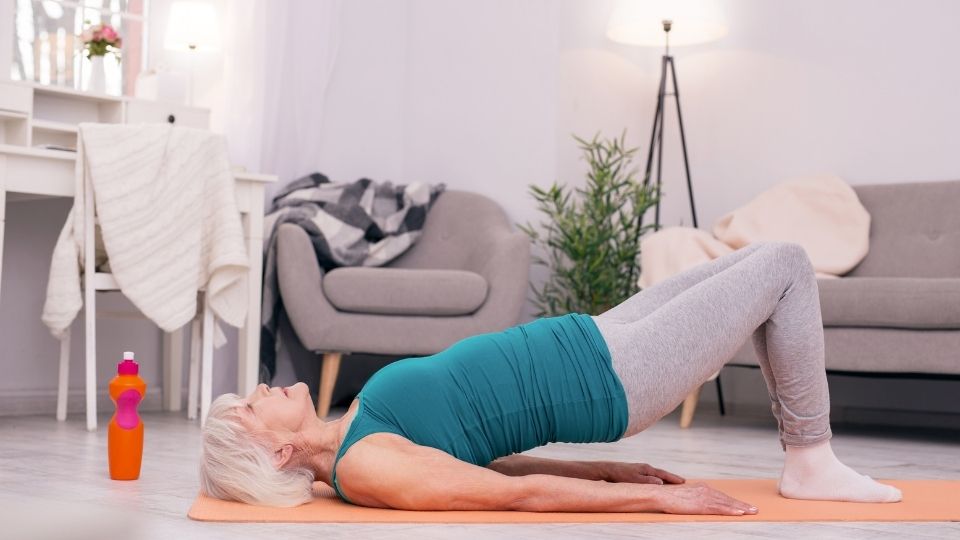
Pelvic floor strength is great if you have stress incontinence – leaking when you cough, sneeze, laugh or jump. It’s less effective for urge incontinence – when the need to pee is sudden and urgent. Urge incontinence often responds well to bladder training.
What’s normal and what’s not?
A normal bladder holds 350-500ml, which is the amount in a regular bottle of mineral water.
If you’re drinking two litres of fluid a day (water, juice, milk and decaff drinks), it’s normal to pee 5-7 times in a day, and 0-1 times overnight
It’s normal that irritants like caffeine, alcohol, citrus, fizzy drinks and sweeteners make you need to pee more often.
It’s normal for certain medications can cause you to pee more, so check out the side effects on the patient information leaflet.
Why peeing ‘just in case’ is not great for you
Many of us go to the loo more than 5-7 times a day – often we go “just in case”. For instance, before leaving the house; when we get to the cinema/gym/GP surgery; before going on a work break. We go just in case we need, not because our bodies are actually telling us that we need to go.
The problem with habitual just-in-case peeing is that it trains your bladder to become really uncomfortable with being full. Your bladder forgets what it’s capable of. The bladder walls go into spasm as the bladder fills, making you feel the urge to pee even though your bladder isn’t full.
Bladder retraining will help your bladder become less sensitive, work to capacity, and give you more time between pees.
Is your bladder actually full?
If your bladder is fairly full, you should be able to count at least 8 mississippis when you pee. As in, sit down and count your flow: “one mississippi, two mississippi, three mississippi…”
You may prefer elephants, of course.
If you feel you really need, but sit down to a mere five mississippis, you need to train your bladder to hold a bit more.
Do you have key-in-the-door pees?
You’re out of the house, on your way home. Peeing isn’t even on your mind. But as soon as you see our house, your bladder starts to complain. Coming up the path you think wow, I need a pee. You get your key in the door and suddenly you’re bursting.
Key-in-the-door pees rarely come from a full bladder. It’s your brain tricking you and your bladder behaving like a tantrumming toddler.
If you have the HABIT of peeing when you get home, so your brain associates your front door with a trip to the loo, and tells you that you need to pee when in fact your bladder isn’t full.
If you go to the loo and your pee lasts for less than 8 seconds, your bladder wasn’t full and you could have held on.
Show your bladder who’s boss (clue: it’s you). Do some pelvic floor ‘close and lift’ exercises, or roll onto the balls of your feet a few times, or both. These should reduce the sensation and buy you some time while you distract your brain.
You might find you can hold on for a few minutes, or even another hour.
How to Train your Bladder
When you first think need to pee, don’t. After the first sensation of needing to pee is an early warning system which actually means you have 1-2 hours before your bladder is full (depending on how much you’ve been drinking).
To help you turn off the urge to pee, do some pelvic floor exercises – exhale and lift your pelvic floor, inhale and relax.
You can also try sitting on the edge of your chair, crossing your thighs, or squeezing your bum.
Don’t hold off until you have an accident – go when you think your bladder is actually full.
Then, when you do pee, do it properly:
- Sit down and never hover
- Put your feet flat on the floor and your knees apart
- pelvis in neutral
- ribs over hips
- hands on your knees
- relax your tummy
Retraining your bladder takes time, focus and consistency, so be kind to yourself. Learn to pee when you NEED to, not when it is convenient. Good habits last a lifetime and are well worth mastering.
Peeing in the night
Peeing once a night is normal, but more than that is disruptive and might lead to falls. As we age, our bodies produce less of the hormone that stops us peeing in the night (it’s called vasopressin) so we might need to go more often. In this case it’s a good idea to limit your fluid intake for a couple of hours before you go to bed.